

What is…?
Gardening as if the whole world mattered:
Observe the site carefully, record the life activity on the spot, plan the stages of the project, and protect the vision for a better world.
Be sure no pesticides and neonicatinoids are used.
Follow the premises of permaculture and harvest available stormwater in the landscape.
Plant a variety of complimentary crops for optimal soil health.
Compost on site and locally whenever possible.
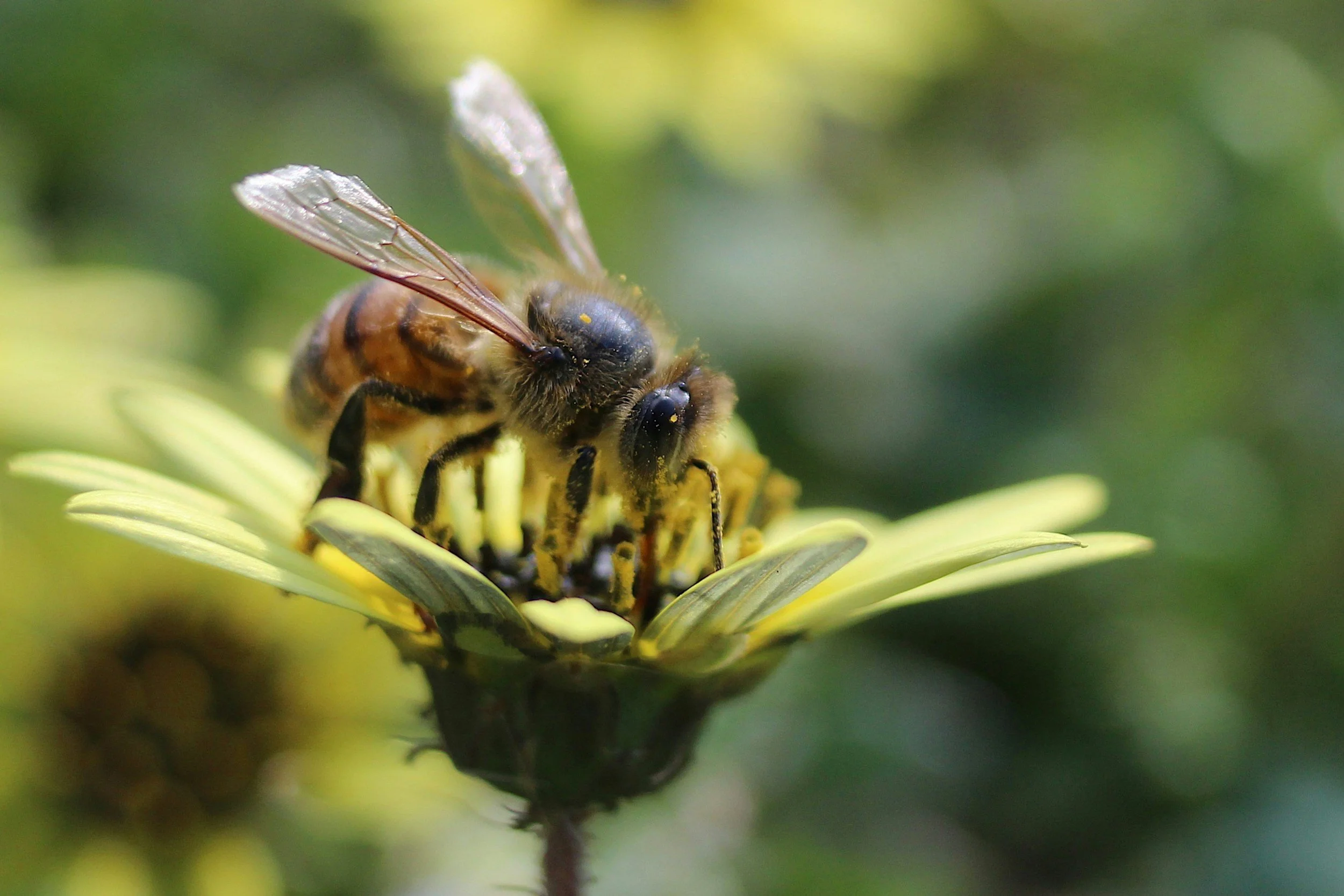
Find a garden group! I belong to Rotary 5041 Operation Pollination and dedicate space to the population of our indigenous pollinators. I also volunteer at Majestic View Nature Center in Arvada, CO where we are working on creating extensive wildlife habitat.
Following the Intergovernmental Panel on Climate Control can offer insight on Earth’s climate. You can find their latest report here.

Ecopsychology
Ecopsychology is the study of the way humans interact with their environment. While in it’s pure form the study is scientifically neutral, its practice is intended to connect humans with their environment.
Our Eco-identity is an important part of who we are, and it plays a crucial role in this time of “The Great Turning” as Joanna Macy describes it. Many of the students who come to these classes are searching for refuge and rejuvination in nature.
My practice is to partner with nature. Through reflective eco-education practices such as forest bathing and meditation we can reconnect to the natural world and our own true nature. Life itself.
Low Water Gardening
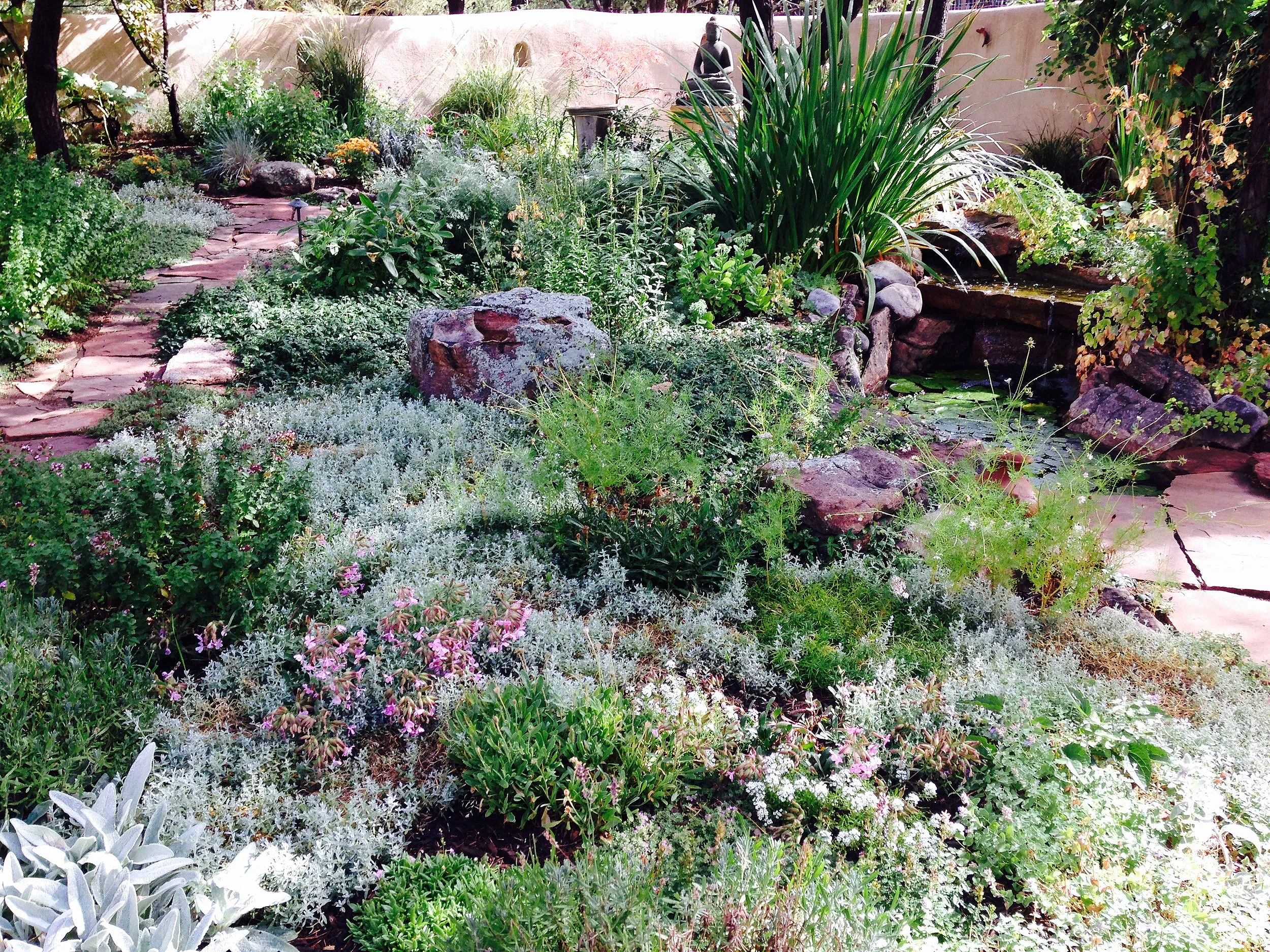
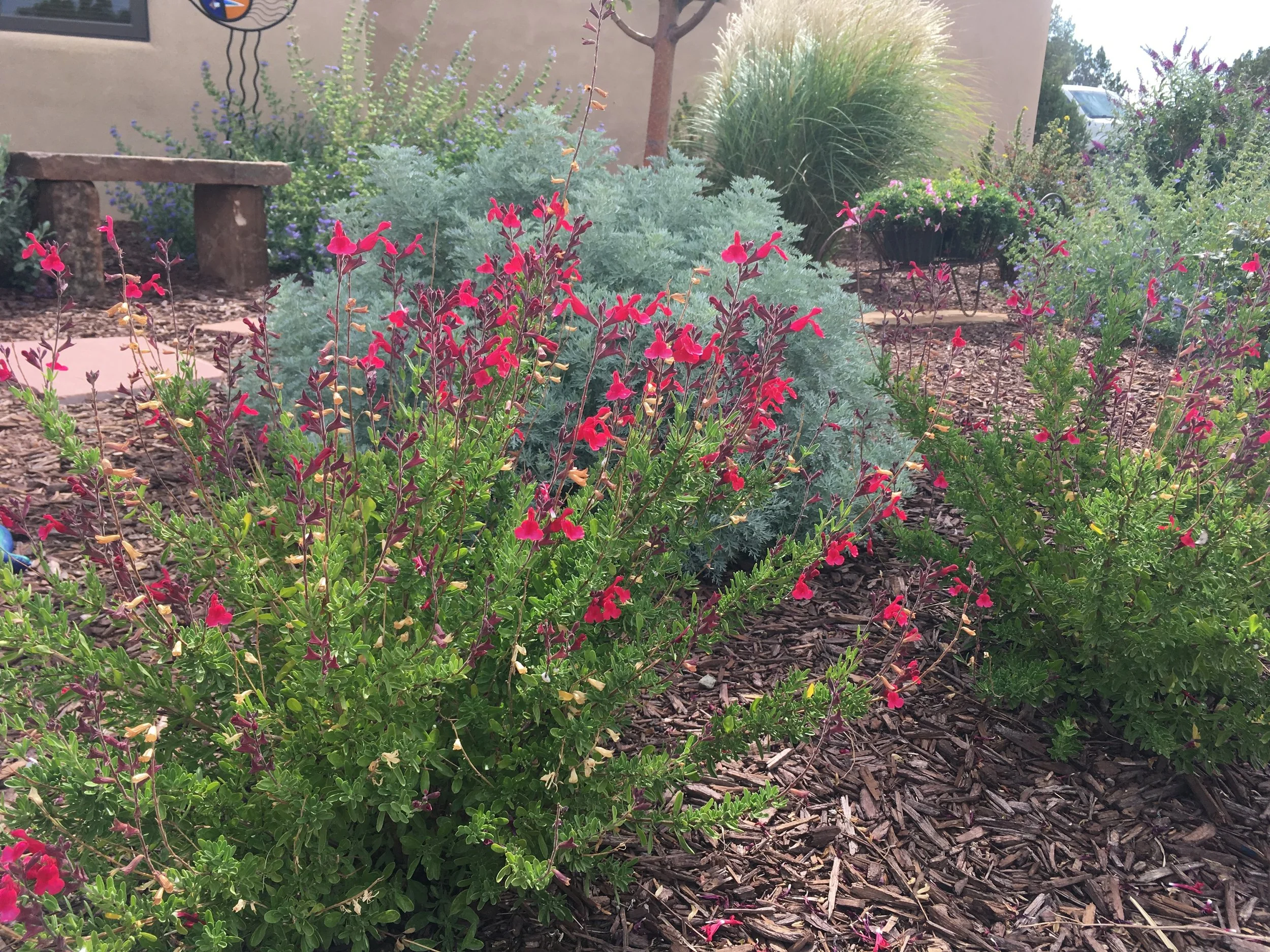
Well, I’ll tell you, it sure isn’t “zero scaping” or “zero scraping” where there is only gravel and rock and maybe a lonely plant or two.
Xeriscaping was actually developed in Denver , Colorado in the 80’s during a severe water crisis. It roughly translates to low water. The technique creates a lush look without using much tap water at all.
In nature, plants and other material cover nearly 100% of the ground, except in desert situations, where it may be only 70-90% However, nature is an opportunist and grows most lush in the valleys, least in the peaks.
Our job as stewards is to preserve what falls naturally, use the water carefully, and respect the soil in which they live.
Tell Me More About…
The Power of One
The Power of One philosophy refers to the concept that a single individual's actions, determination, and focus can create significant, lasting change in the world, often overcoming immense, seemingly impossible obstacles.
The Book of the same name, by Bryce Courtenay, also made into a 1992 film, shows how one young white man’s actions of selflessness and bravery changes a whole number of minds throughout the course of his life. The book, set in apartheid South Africa, shows how this young man’s fate intertwines with the black South Africans’ hardships and the eventual overthrow of apartheid.
This philosophy highlights that, through our thoughts and actions, each one of us can make a difference. Our hearts must stay true.

The Tipping Point
In environmental science, a tipping point represents a critical threshold where a small additional change can push a natural system into a completely different state—often permanently. Think of it like a leaning chair: you can tilt it back a little and it will return to its base, but once you pass the point of no return, it crashes to the floor regardless of any effort to stop it.
Once these thresholds are crossed, feedback loops take over and become self-sustaining. For example, as Arctic ice melts, less sunlight is reflected and more heat is absorbed by the dark ocean, which leads to even more melting. Because these shifts are often irreversible on human timescales, scientists monitor these "red lines" closely to understand how close ecosystems like the Amazon rainforest or the Greenland ice sheet are to a total regime shift.
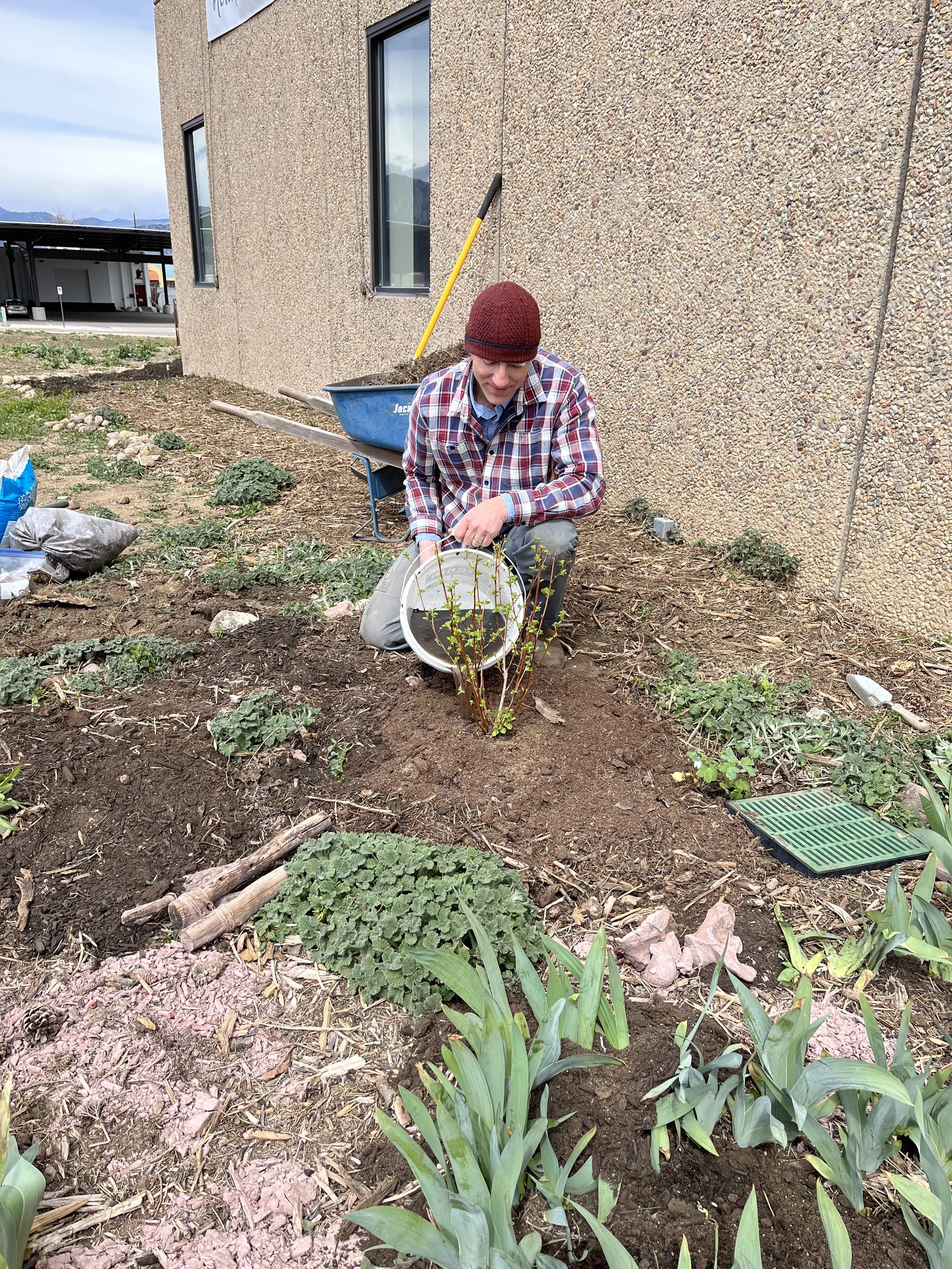
Each one of us has the power to assist the greater environment by making changes in our own back yard.
Urban Afforestation
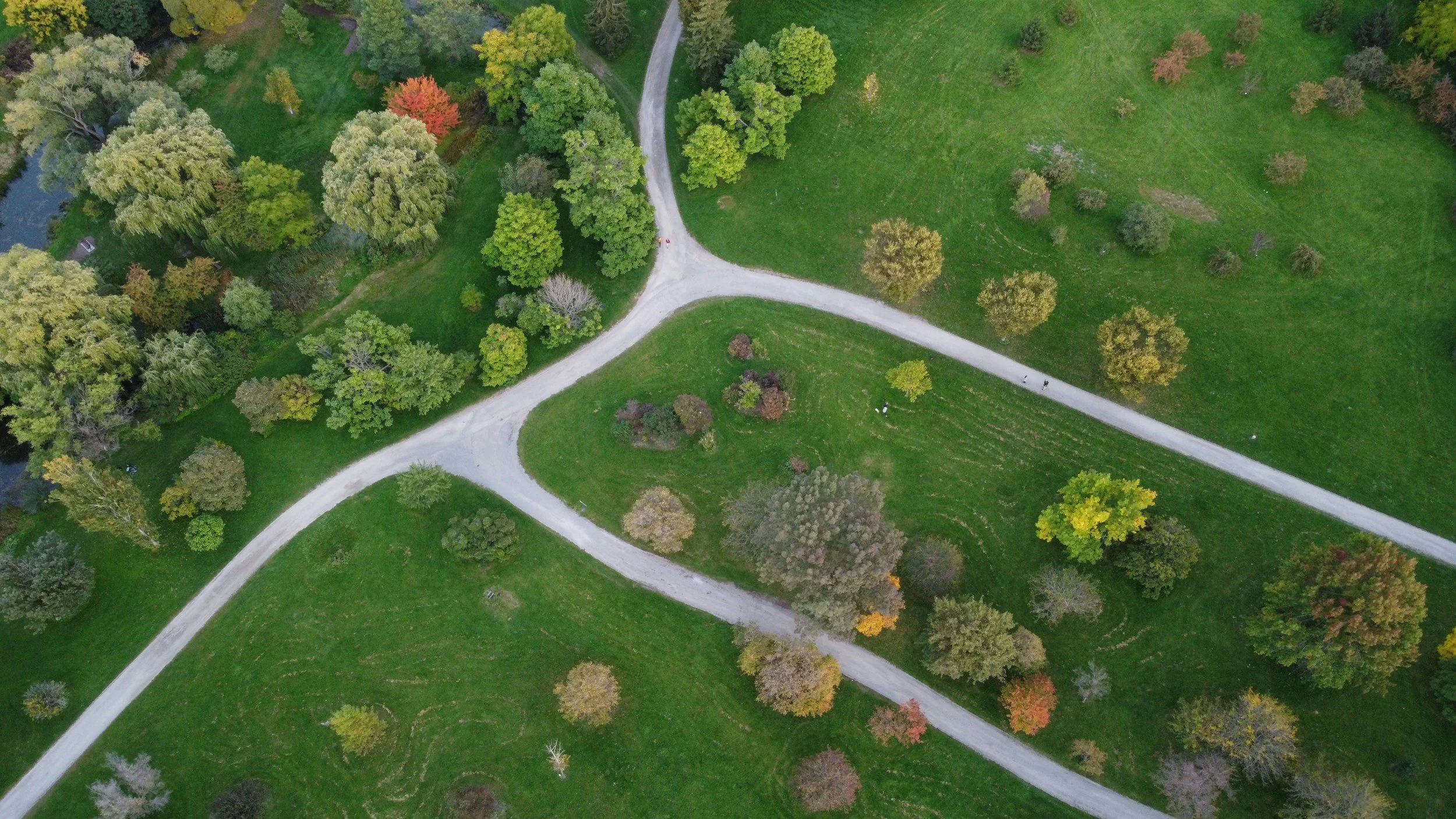
Urban afforestation is the strategic planning, planting, and management of trees and vegetation in cities to create urban forests. It aims to counteract the effects of urbanization by increasing canopy cover, improving air quality, reducing heat islands, managing stormwater, and boosting biodiversity. These green spaces, including parks, green roofs, and dense micro-forests, enhance sustainability and public health.
The treecover most city foresters would like to see is about 35-40%, yet most of our cities hover around 15-20%.
Trees planted by you today will help the planet of the future.
Ask Terra - FAQs
-
Sure. I’m so glad you asked.
Begin by getting very quiet.
That can take some time, so have patience with yourself. Try opening your heart by thinking of something or someone you are fond of.
Then reach out with your heart and your awareness (between the eyes and slightly above) and ask the plant if there is anything it needs.
Then listen, and look. Did you get the message? Sometimes you don’t necessarily hear something, but you feel something, or notice a change.
Although it took many years to develop to the level of sensitivity I am at now, where it’s like listening to a choir, most people are sensitive enough to feel something.
I have taught hundreds of people to develop communication with plants, animals, and rocks. For more information visit…
www.perelandra.org. Conings for balanced communication with nature.
Also www.corelight.org Resources for living in balance, with Leslie Temple-Thurston and Brad Laughlin, Anna Breitenbach, and many others.
-
Honestly, after the birth of my first son in 2004, I kinda freaked out. I had a home garden, a compost, and had left my job as an English teacher in an elite private school. Perhaps it WAS the hormones, but reading the IPCC reports led me to realize I was going to be needed to sequester a WHOLE BUNCH of carbon.
So, baby in hand (or with dad), I read books, took classes, hung out in gardens, and started taking on a few clients. Most of them were referrals from friends, so I was determined to make it work.
Five years later I had 120 clients, understood all irrigation systems, and had a reputation for having a good business in Santa Fe. I put my all into helping save water in Santa Fe landscapes.
-
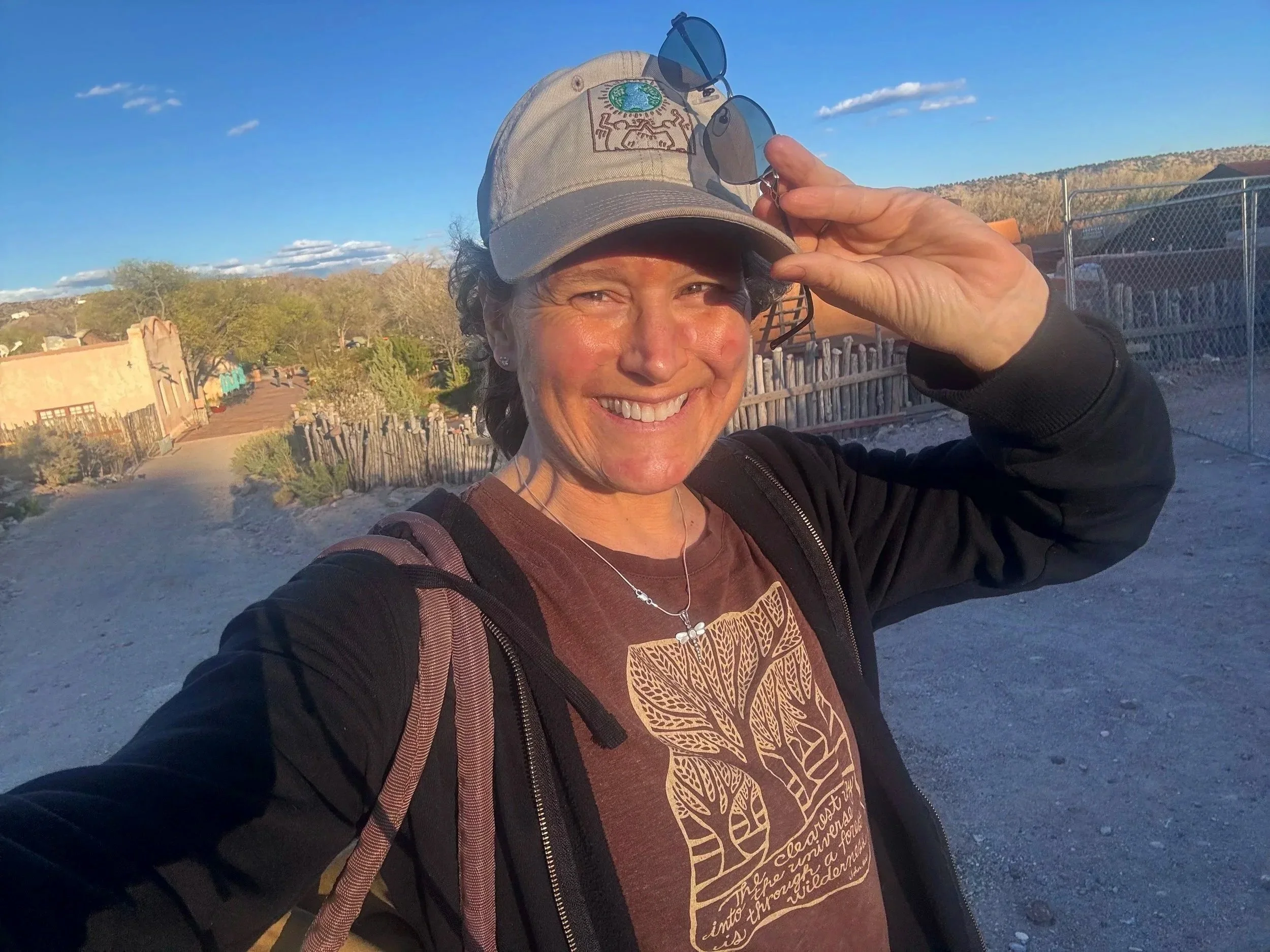
My brothers kid me: when a camera shows up I am all smiles! My resting face is actually totally freaked out!! And in that latter part I am only partly kidding. My former students could tell you.
I was really scared for a long time.
But, you know, what I learned in ecopsych (Eco-psychology) is that these eras come and go in waves, so a little review of the humanities and history is helpful. But sure, I get scared like everyone else does. Fear passes though. We know what needs to be done.
I’m interested in what positive movement coming is from these times, when we know pollution is a problem, and clean water becomes more and more scarce.
I’m interested in meeting other “permies” who want to see edible cities like me!!
What I am excited about is how many “groves'“ are already out there in the world, producing fruit for humans or animals.
I am excited about how new technologies are leading us to do things better and better. I am excited that indigenous peoples are getting the honor and recognition they deserve. Their place in history will never be erased. I feel this way about the African Americans, the LGBTQ communty, the Latino community, and all those who come to a new land in hopes for a better future.
Why would I choose fear when I know how much love is available to those who seek it? But yes, fear shows up sometimes for a visit. I greet it with a song and a smile.
For more about Ecopsychology please see…
Naropa.org Transpersonal Ecopsychology.
-
Ah, that.
Well, you see, after I sold Terra Gardens Santa Fe, I kept going with my original vision:
To capture excess particles with green cover in cities and towns everywhere by teaching people how to plant their water and tend to their gardens.
Since its creation, I have gardened all over New Mexico, Colorado, and I look forward to returning to the gardens I tended in Limpopo, South Africa.
I have consulted via zoom in Wisconsin, Florida, and England. The concepts of sustainability are universal; plant choices change by region. This is where local experts are invaluable.